Picture by BBC
Visitors to the Green Valley Wildlife Park are getting a unique glimpse into a side of zoo life that is typically hidden from the public: the medical care provided to animals. Through a new initiative called “Behind the Scenes: Wildlife Wellness,” the zoo is opening its veterinary facilities to guided tours, giving guests a rare opportunity to see how animals receive treatment, undergo routine checkups, and recover from injuries or illness.
The program was created to help people better understand the complexity of zoo medicine and the level of expertise required to care for species that range from tiny reptiles to massive elephants. According to Dr. Marissa Halden, the zoo’s chief veterinarian, the initiative aims to dispel misconceptions and showcase the vital role modern zoos play in conservation. “Most people never realize how advanced animal healthcare has become,” she explains. “We use techniques similar to human medicine—ultrasound, digital X-rays, endoscopy—but adapted creatively for each animal’s unique needs.”
Tours begin in the diagnostic lab, where technicians demonstrate how they analyze blood samples, monitor parasite loads, and assess overall health. Guests are often surprised to learn that many animals undergo regular wellness exams much like pets at home. The difference, however, lies in the logistics. A simple dental cleaning, for example, might require weeks of training so that a tiger voluntarily presents its teeth through a mesh barrier, reducing the need for anesthesia.
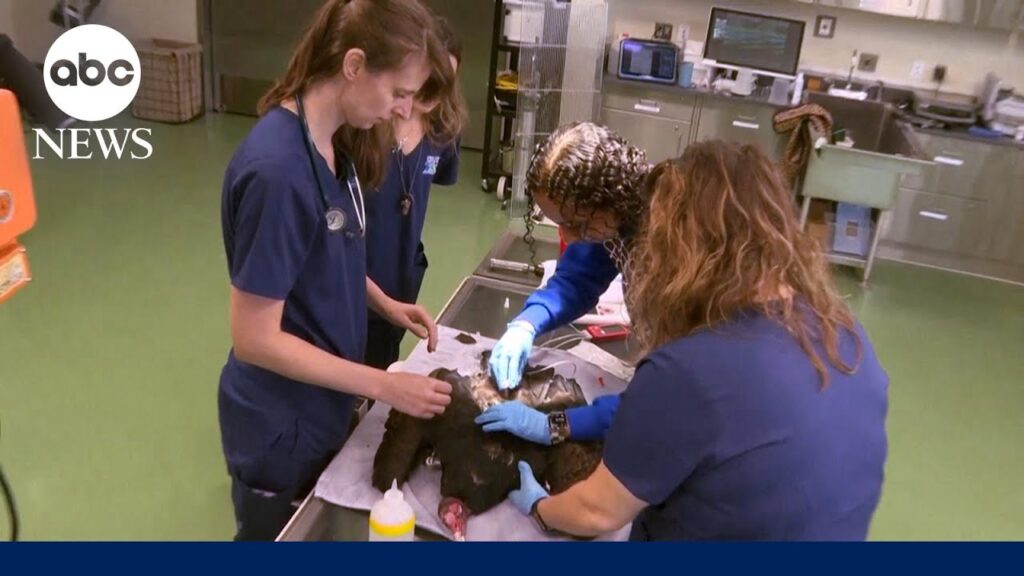
One highlight of the experience is the zoo’s treatment room, where veterinarians perform procedures ranging from wound care to orthopedic surgeries. Through large observation windows, visitors may watch a giraffe being fitted with a custom hoof brace or see a sedated red panda receiving a CT scan. Behind each case is a team of specialists—veterinarians, behaviorists, nutritionists, and zookeepers—working in close coordination.
Another key feature of the program is its focus on preventive care. The zoo emphasizes training animals to participate willingly in procedures that might be stressful or dangerous without preparation. Sea lions learn to present their flippers for blood draws; elephants practice standing calmly for foot exams; birds are trained to step onto scales for regular weighing. These behaviors help veterinarians catch issues early while minimizing stress for the animals.
The zoo hopes that transparency will encourage visitors to think differently about wildlife conservation. Many of the animals treated in the veterinary center belong to endangered species whose survival depends on expert medical management and breeding programs. By witnessing the meticulous care behind the scenes, guests gain a deeper appreciation for the scientific, ethical, and emotional investment involved in preserving biodiversity.
Feedback from visitors has been overwhelmingly positive. Parents say the tour sparks curiosity in children, while adults express admiration for the professionalism and dedication of the staff. Some guests have even been inspired to pursue careers in zoological medicine or wildlife conservation.
As Dr. Halden puts it, “When people see the effort that goes into caring for each animal, they understand that zoos are more than places to observe wildlife—they’re vital hubs of research, rescue, and healing.” Through its new program, the Green Valley Wildlife Park is offering not just a rare look at animal medical treatment, but also a powerful message about responsibility and respect for the natural world.